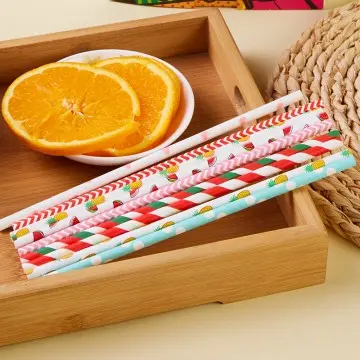
Why Biodegradable Paper Straws Are Transforming the Boba Tea Industry
The global bubble tea market, valued at over $3.39 billion in 2023, is projected to exceed $6.8 billion by 2030. Behind every cup of creamy milk tea or fruit-filled taro boba lies a critical accessory — the straw. For decades, thick plastic straws dominated bubble tea shops, but a sweeping wave of environmental legislation, consumer awareness, and brand responsibility is reshaping what shops put in their cups.
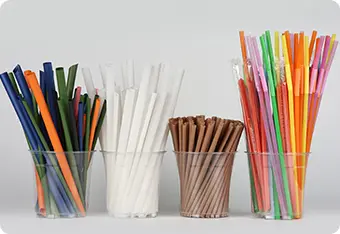
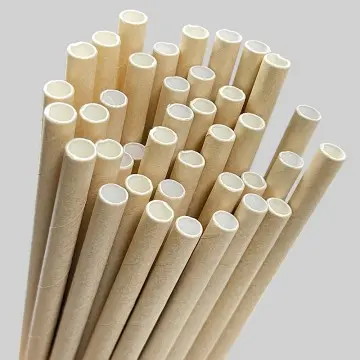
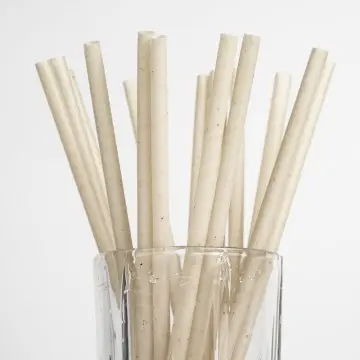
Biodegradable paper straws engineered specifically for boba tea represent one of the most commercially significant product innovations in the foodservice packaging space. Unlike standard paper straws that turn soggy within minutes, modern boba-grade paper straws are manufactured with multi-layer food-grade paper bonding technology, offering structural integrity for 2–4 hours in cold beverages while remaining fully compostable within 60–90 days in industrial composting conditions.
Global Plastic Straw Ban Accelerating Market Shift
Over 127 countries have introduced regulations restricting single-use plastics. The EU Single-Use Plastics Directive, US state-level legislation, and China's "Plastic Restriction Order" are collectively pushing millions of boba tea shops to adopt certified biodegradable alternatives at scale.
The Commercial and Industrial Landscape of Biodegradable Paper Straws for Boba Tea
The biodegradable straw market is no longer a niche category — it has become a mainstream procurement priority for beverage chains of all sizes. From independent bubble tea boutiques in Southeast Asia to franchise chains with thousands of global locations, the demand for durable, customizable, and certifiable eco-straws has surged dramatically since 2020.
Key commercial drivers shaping this industrial landscape include:
- Regulatory compliance requirements — operators must source certified biodegradable straws to maintain business licenses in regulated markets.
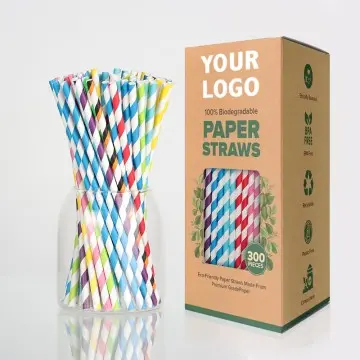
- Brand differentiation — custom-printed paper straws carrying a brand's logo, color palette, or sustainability messaging become a direct marketing touchpoint at minimal cost.
- Supply chain localization — major manufacturing hubs in China (particularly Guangdong Province), Vietnam, and India have dramatically scaled up paper straw production capacity, reducing lead times and cost premiums over plastic alternatives to near parity.
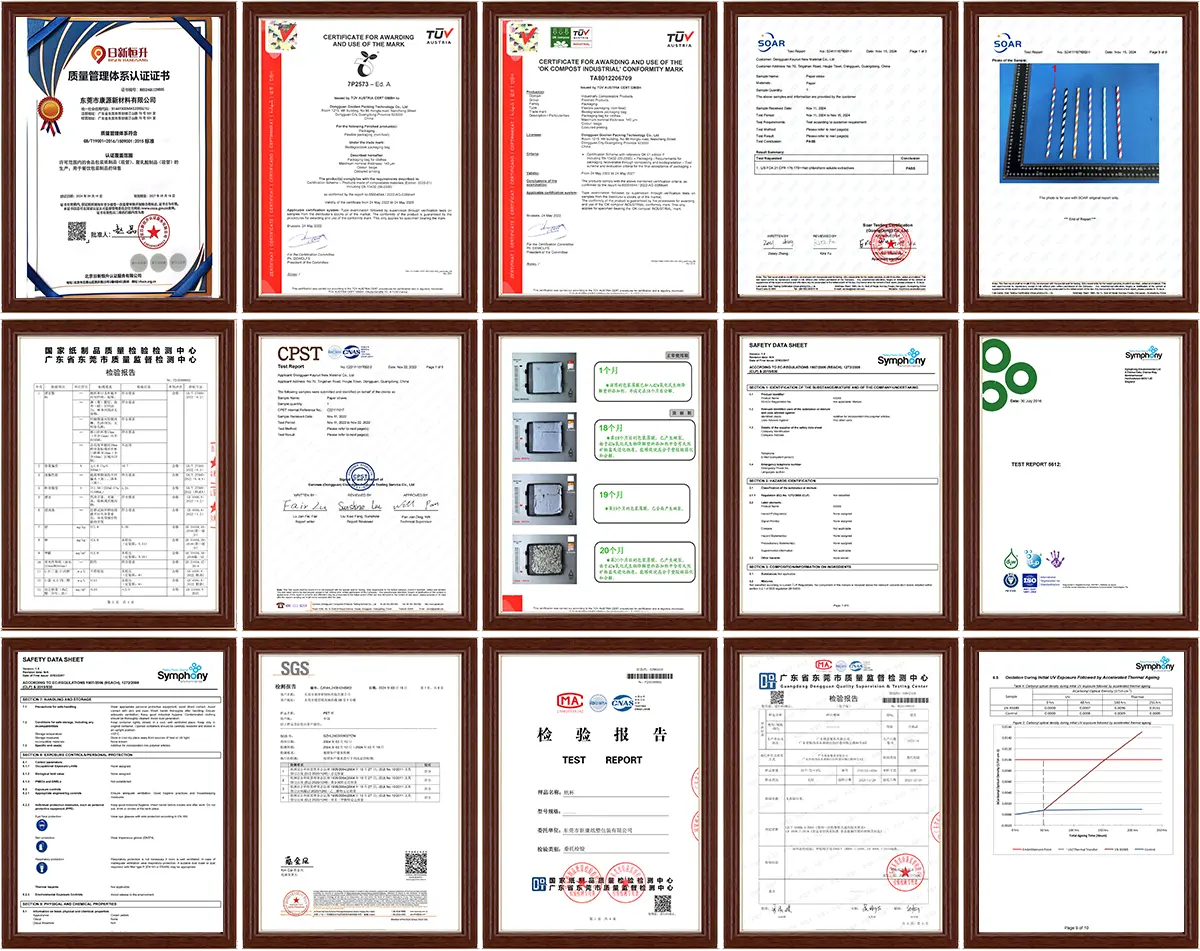
- Franchise standardization — multinational boba tea brands such as COCO, Gong Cha, and Tiger Sugar now mandate supplier certification standards (FDA, LFGB, FSC) across their supply chains, driving a consolidation toward quality-assured manufacturers.
Deep-Dive: Application Scenarios for Boba Tea Paper Straws
1. High-Volume Chain Operations
Fast-growing boba tea chains processing tens of thousands of cups daily require straws that pass rigorous durability testing — particularly the ability to pierce sealed cup films without bending or splitting. Boba-specific paper straws feature reinforced tip geometry and multi-ply paper wall construction (typically 3–4 paper layers) to withstand the puncture force required for PET and PP cup sealing films, which are standard across the industry.
2. Premium Boutique and Specialty Tea Cafés
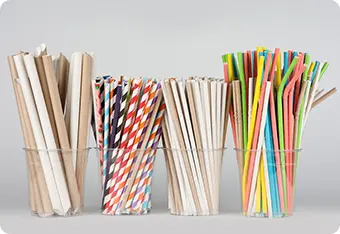
Specialty tea concepts targeting Gen Z and millennial consumers actively look for paper straws as part of a curated sustainability narrative. Custom-printed biodegradable straws — featuring artisan patterns, foil-effect print, or kraft natural textures — serve as Instagram-worthy accessories that reinforce premium positioning. Individually wrapped variants with recyclable paper packaging add a further perceived-quality advantage.
3. Festival, Event, and Seasonal Pop-Up Operations
Boba tea carts at music festivals, night markets, and seasonal pop-ups handle significant volume in short windows. Biodegradable paper straws in bulk configurations (2,000–10,000 per carton) provide cost-effective, compliant, and visually appealing solutions for these high-traffic, short-duration operations.
4. Hotel, Resort, and Airline F&B Integration
The premium hospitality sector increasingly incorporates boba tea into F&B menus. Hotels and airlines sourcing from sustainability-certified suppliers require straws with consistent diameter tolerance (typically 12mm for boba pearls) and food-contact material declarations aligned with LFGB or FDA standards. Custom-wrapped, individually sleeved straws align with hospitality hygiene standards and upscale presentation norms.
5. Retail and Supermarket Own-Brand Kits
The at-home boba tea preparation trend — accelerated by pandemic lifestyle changes — has created a growing retail channel. Bundled DIY boba kits including biodegradable paper straws are now found across Amazon, Target, and Asian grocery chains globally, representing a new demand segment that manufacturers are actively targeting with smaller MOQ formats and retail-ready packaging.
💡 Industry Insight: The most commercially successful boba tea paper straw products in 2024–2025 combine three attributes — certified food safety compliance (FDA/LFGB), custom branding capability with full-color printing, and structural durability rated for 3+ hours in cold milk tea. Operators who treat straw selection as a branding and compliance decision — rather than purely a cost decision — report measurably higher customer satisfaction scores.
Emerging Trends Shaping the Future of Boba Tea Paper Straws
The biodegradable straw category is evolving rapidly, driven by both material science innovation and shifting retail dynamics. The following macro-trends will define the next five years of the market:


 +86 135 2793 2944