
Order Free Samples
Leave Your Message
Precision-engineered lids and beverage accessories purpose-built for high-volume coffee shop environments worldwide.
The global coffee shop industry has experienced extraordinary growth over the past decade. With more than 40,000 Starbucks locations worldwide, thousands of independent specialty cafés, and a surge in bubble tea chains and quick-service beverage brands, the demand for reliable, hygienic, and visually appealing disposable cup lids has never been greater. Far from being a simple commodity, the cup lid has evolved into a critical touchpoint — one that directly affects customer experience, brand perception, spill prevention, and sustainability compliance.
According to industry analysts, the global disposable cup lid market is projected to surpass USD 4.8 billion by 2029, driven by the rapid expansion of coffee chains, on-the-go consumption habits, and tightening environmental regulations across North America, Europe, and Asia-Pacific.
Today's disposable cup lid business operates at an intersection of food safety engineering, material science, and retail branding. Coffee shop chains — from global giants to local boutiques — typically source lids in bulk quantities ranging from hundreds of thousands to tens of millions of units per month. This scale demands suppliers who can guarantee dimensional consistency, leak-proof sealing, and food-grade certification across every single unit.
On the industrial side, lid manufacturing has shifted dramatically. The traditional injection-molded polystyrene (PS) lid is rapidly giving way to alternatives: PET blister lids for crystal-clear visibility, PP injection lids for high-heat resistance, and emerging PLA / compostable lids for eco-certified venues. Smart factories now use vision inspection systems and automated stacking lines, enabling outputs of 500 million units annually — as demonstrated by KayRun's own production capacity.
Driven by EU Single-Use Plastics Directive and similar regulations in the US and Australia, coffee shops are rapidly migrating to PLA, PBAT, and recycled paper-based lids. FSC-certified fiber and bio-resin combinations now achieve the same snap-fit precision as conventional plastic.
Independent cafés and franchise chains alike now demand lids with embossed logos, colored domes, and printed sleeve combinations that reinforce brand identity at every customer handoff. Custom OEM runs as low as 10,000 units are now commercially viable.
AI-powered vision inspection lines, real-time SPC data, and ERP-integrated order tracking now allow manufacturers to guarantee defect rates below 0.1%, critical for multinational coffee chain procurement standards.
Platforms like Alibaba, Amazon Business, and manufacturer-direct portals have disrupted traditional distributor channels. Coffee shop operators in 110+ countries now source disposable cup lids factory-direct, compressing lead times from 8 weeks to as little as 15 days.
Driven by the bubble tea boom, hybrid lids combining a straw puncture zone with a standard sip portal are now mainstream. U-shaped PET and PP cup systems with matching dome lids command premium positioning in Asia-Pacific beverage markets.
FDA (US), LFGB (Germany), SGS food contact testing, and ISO 9001 quality management systems are now baseline requirements for entry into major coffee chain supply chains — pushing smaller, non-certified suppliers out of the market.
From specialty single-origin cafés to large-scale industrial catering, the right lid solution is foundational to operational efficiency and brand excellence.
High-frequency takeaway services require lids with zero-leak snap-fit, heat resistance up to 95°C, and compatibility with standard cup sizes (8oz to 24oz). Clear PET dome lids enhance the visual appeal of layered lattes and cold brews while maintaining freshness.
U-shaped PET or PP cups paired with puncture-ready flat lids or domed caps are the standard format for boba beverages. Lid transparency showcases layered drink aesthetics — a key visual selling point in social media-driven beverage culture.
The explosion of food delivery platforms has elevated lid performance requirements — lids must withstand 40-minute delivery journeys, maintain seal integrity against vibration, and prevent condensation leakage through paper bag walls. Tamper-evident lid designs are increasingly specified.
Premium hospitality venues demand lids that combine functional reliability with upscale aesthetics. Embossed branding, matte-finish domes, and PLA-certified lids align with hotel sustainability pledges and five-star brand standards.
High-volume dispensing environments favor cost-effective, high-stacking-density lid formats. Corrugated paper cup combinations with matching lids reduce overall packaging costs while supporting campus sustainability goals.
Ultra-compact, lightweight lid designs that pass IATA liquid containment standards are required for in-flight service. Convenience store cold brew programs increasingly specify re-closable lid mechanisms for half-consumed carry-out beverages.
The choice of lid material directly impacts heat resistance, clarity, environmental compliance, and cost. The three dominant material categories in today's coffee shop supply chain are:
In an era where every customer interaction is a potential social media moment, the visual design of a cup lid communicates brand values instantly. Embossed logos on dome lids, signature color schemes, and QR code integration on lid rims are now active marketing tools. Leading coffee chains invest in custom mold tooling to achieve proprietary lid geometries that are immediately recognizable — a level of design sophistication that trickles down to independent café operators through OEM services like those offered by KayRun.
Industry Insight: A well-designed branded cup lid increases customer repurchase intent by reinforcing brand recognition at the moment of consumption — one of the highest-attention touchpoints in the entire café experience.
Environmental regulations are no longer optional for coffee shop suppliers. The European Union's SUP (Single-Use Plastics) Directive mandates that plastic beverage cup lids must either be tethered to the cup or replaced by compostable alternatives by specific deadlines. In the United States, California, New York, and Washington have enacted equivalent state-level restrictions. For exporters, holding simultaneous FDA, LFGB, FSC, and SGS food-contact certifications — as KayRun does — is now the baseline for participation in major international retail procurement programs.
An often-overlooked dimension of lid economics is stackability and shipping density. A lid that nests 20% more compactly into a shipping carton reduces per-unit freight cost significantly across intercontinental supply chains. KayRun's engineering team optimizes taper angles and rim profiles specifically to maximize stack counts per pallet — a detail that can translate to five-figure annual savings for large café chain operators.


Our main products include paper straws, PLA straws, injection cups, blister cups, paper bags, thermal bags, and cup lids. We provide a comprehensive range of off-the-shelf and customized products, establishing partnerships with major brand chain restaurants both domestically and internationally.
Our target customer groups consist of cafés, restaurants, catering services, and eco-conscious businesses seeking sustainable packaging solutions.
Contact usDongguan KayRun New Materials Co., Ltd. is a company specializing in sustainable OEM/ODM solutions for disposable tableware and biodegradable products. Established in 2019, we have two state-of-the-art factories in Dongguan, Guangdong Province, covering an area of over 10,000 square meters, with more than 150 skilled employees, 20% of whom are dedicated to research and development and technical support. The annual output reaches 500 million units, with more than 50 production equipment, to meet the production needs of domestic and foreign customers. At the same time we have passed strict certification to ensure that our products meet the highest quality and safety standards, including FDA, LFGB, FSC certification, SGS food safety certification. Our commitment to quality and environmental responsibility has earned us the trust of major brands.


In response to the national ban on plastic, our company actively utilizes environmentally friendly, biodegradable raw materials that are non-toxic and pollution-free. We adhere to national and European standards, holding various industry qualifications.

With a commitment to fast delivery and stable quality, we also prioritize exceptional customer service, offering personalized support and consultation to meet our clients' specific needs.

Our mission is to "care for the environment and advocate health." We strictly control every link from material selection to printing, disinfection, testing, packaging, etc., fully meeting food hygiene standards.

We have a number of patents and we have passed certifications such as FDA, LFGB, FSC, ISO9001 and so on. Our products are mainly sold to coffee shops, milk tea shops and distributors.
Our products are exported to regions including Europe, America, Australia and more than 110 countries around the world. Our monthly production capacity reaches 50 containers.

KayRun has two factories in Guangdong, China, covering an area of 20,000 square meters, with over 150 workers and more than 80 production machines, achieving an annual output of 500 million units.


Explore our full lineup of coffee shop disposables — engineered for performance, sustainability, and brand excellence.
Dongguan KayRun New Materials Co., Ltd. is recognized for its integrity, strength, and product quality. We invite friends from all walks of life to visit, guide, and engage in business negotiations with us.
Get in Touch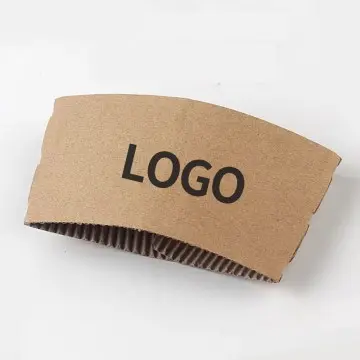 Hot Drinking Cup Sleeves Printed Coffee Cup Sleeves
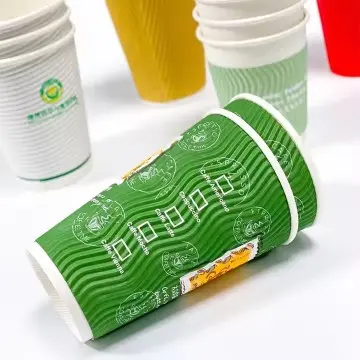 Factory Wholesale Coffee 3 Layer Corrugated Paper Cup
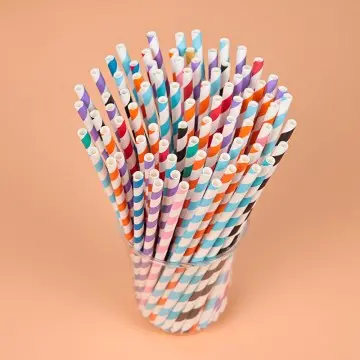 Disposable Colorful Striped Paper Drinking Straws
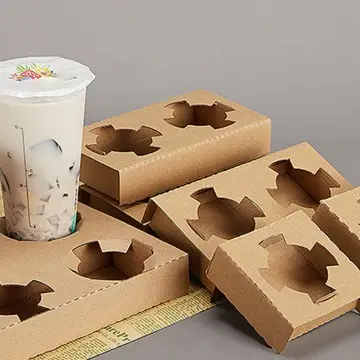 Biodegradable Paper Cup Holder
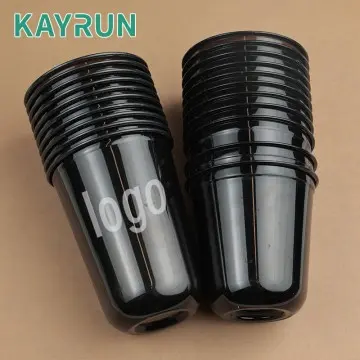 Disposable Custom Leak Proof Milk Tea Cups Hard PET U Shape Cup
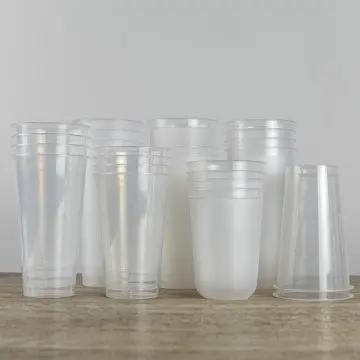 Disposable U-Shaped Cup Custom Logo Bubble Tea PP Cup
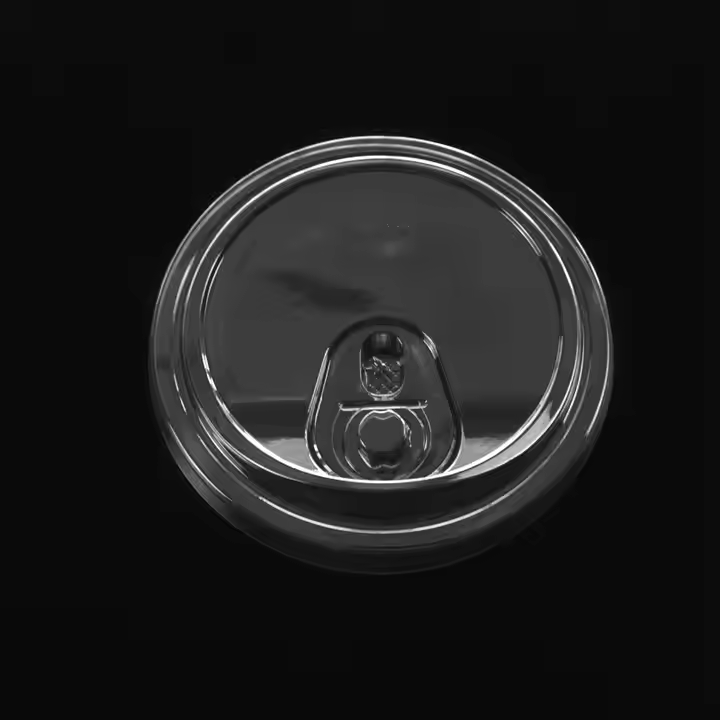 Wholesale Clear Food Grade Coffee Blister PET Cup Lid
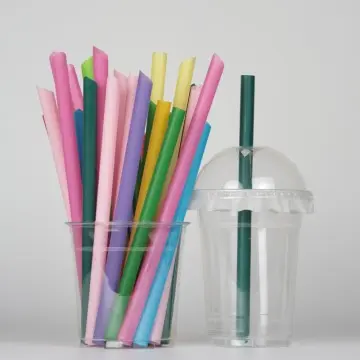 Disposable Individually Wrapped PP Plastic Straw