Order Free Samples
Leave Your Message
Our most-ordered delivery-ready cup solutions — engineered for leak-proof performance and brand impact.
The fast food and food delivery industry has witnessed unprecedented growth over the past decade. According to industry analysts, the global food delivery market surpassed $150 billion USD in 2023 and is projected to reach over $320 billion by 2030. Embedded within this expansion is a surging demand for disposable plastic cups for fast food delivery — a category that bridges operational efficiency, food safety compliance, and powerful brand storytelling.
Disposable cups are no longer a commodity afterthought. They are a mission-critical packaging component that determines whether a drink arrives at the customer's door intact, presentable, and safe. For QSRs (Quick-Service Restaurants), ghost kitchens, bubble tea chains, lemonade franchises, and meal-kit operators, the right cup specification is a direct contributor to customer satisfaction scores and repeat orders.
📊 The global disposable foodservice packaging market was valued at $83.6 billion in 2023 and is forecast to expand at a CAGR of 5.4% through 2030 — driven primarily by fast food delivery growth in Asia-Pacific, North America, and the Middle East.
Delivery logistics impose stresses on beverage packaging that dine-in scenarios never encounter. A cup travels inside an insulated bag, is handed off multiple times, sits in a vehicle for 15–45 minutes, and must arrive without any spillage, deformation, or taste contamination. These demands have pushed food packaging engineers to develop cups with specific characteristics:
The buyer universe for delivery-grade disposable plastic cups spans multiple commercial sectors. Understanding the procurement context of each helps manufacturers and distributors tailor their product portfolios:
Global fast food operators such as McDonald's, KFC, and their regional equivalents source tens of millions of cups per year. Their requirements emphasise consistency (dimensional tolerances within ±0.5 mm), brand colour matching, and certified food safety compliance (FDA, LFGB, SGS). Delivery-specific cup lines are increasingly being ordered separately from dine-in ranges, with heavier wall gauges and tamper-evident sealing films.
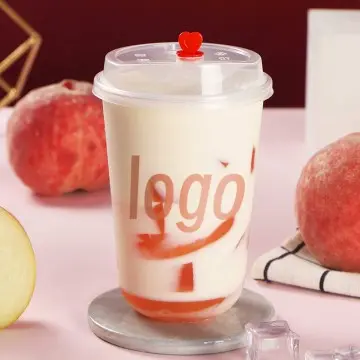
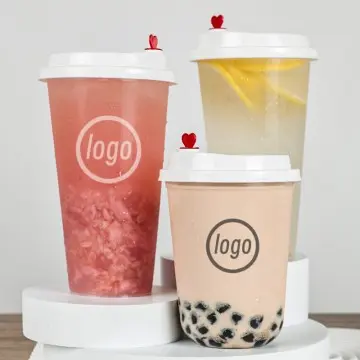
The global bubble tea market exceeded $3.4 billion in 2024, with delivery accounting for over 40% of orders in urban markets. These operators demand U-shaped PET or PP cups that accommodate wide-bore straws while maintaining a premium aesthetic. Custom logos, frosted finishes, and transparent sidewalls are non-negotiable for this segment.
The ghost kitchen segment — operating exclusively through delivery platforms — has grown from a niche concept to a mainstream commercial model, with an estimated 100,000+ ghost kitchen units globally as of 2024. These operations place massive bulk orders for standardised cup sizes that integrate seamlessly with automated filling and sealing equipment.
High-turnover C-store operations require cups that can be deployed by minimally trained staff, stacked efficiently in limited storage space, and branded quickly with sleeve inserts or direct print. Injection-moulded PP cups with superior stacking geometry are the format of choice.
Large-scale institutional catering operations increasingly operate under delivery-style logistics — tray assembly, sealing, distribution to wards or gate areas. Food-grade compliance (ISO 9001, FDA, LFGB) is mandatory, and cups must survive refrigerated storage before consumption.
Six macro-forces redefining how disposable plastic cups are specified, manufactured, and marketed in 2024–2030.
Bio-based PP and recycled-content PET are entering mainstream production. Leading manufacturers are achieving 30–40% post-consumer recycled (PCR) content without compromising food-safety certifications, responding to EU Single-Use Plastics Directive pressures and brand sustainability pledges.
NFC-enabled and QR-printed cup designs allow brands to connect delivery cups to loyalty programmes, allergen data, and real-time order tracking. As print technology advances, even injection-moulded PP cups are being equipped with scannable digital layers.
As delivery-only kitchens proliferate, demand for universal cup sizing — compatible with automated sealing machines — is driving industry-wide dimension standardisation. 90mm, 95mm, and 98mm top diameters are emerging as the most widely adopted formats across Asia-Pacific and North America.
Short-run digital printing on cup sidewalls allows brands to launch seasonal, event-specific, or influencer-co-branded cup designs in as few as 7 days from artwork submission. This agility is a key competitive differentiator for challenger beverage brands.
Consumer research shows that 68% of delivery customers associate premium packaging with food quality. Frosted finishes, embossed logos, and metallic foil stamping on PP cups are moving from luxury to mainstream as brands compete on unboxing experience.
AI-vision inspection systems are being deployed on injection moulding lines to detect micro-defects in wall thickness, rim geometry, and print registration at speeds exceeding 800 cups per minute — dramatically reducing rejection rates and material waste.
Cold beverages — iced coffees, smoothies, bubble teas, fresh juices, and carbonated soft drinks — represent the single largest application for disposable plastic cups in delivery contexts. PP and PET cups in the 16oz–32oz range dominate this segment. Key technical requirements include a wall thickness of ≥0.45mm for structural rigidity during transit, compatibility with heat-sealing films at 140–180°C sealing temperatures, and dimensional consistency for automated filling lines running at 1,200+ cups/hour.
The U-shaped cup profile — pioneered for Asian bubble tea formats — has gained global traction because its wider base reduces tipping risk in delivery bags and the U-profile allows full insertion of wide-bore boba straws without deforming the rim seal.
Hot drink delivery (coffee, tea, hot chocolate, soups) demands cups that can sustain internal temperatures of 70–90°C for 30+ minutes without deforming, off-gassing, or compromising the seal. Heavy-wall injection-moulded PP cups (≥0.6mm wall) paired with double-grip thickened bags have become the gold standard for hot beverage delivery in professional QSR operations.
The shift away from single-wall PS (polystyrene) to PP for hot drinks has been accelerated by food safety regulations in the EU, UK, and California, which have restricted or banned styrene-based food contact materials since 2021.
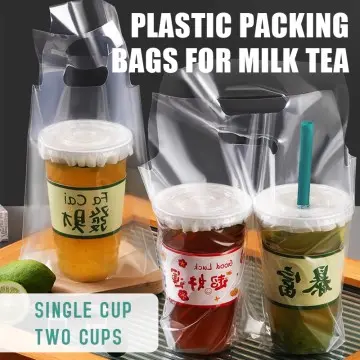
The rise of family-size and group delivery orders has created demand for multi-cup thickened plastic bag systems. Pre-formed bags that hold 1, 2, or 4 cups in individual pockets prevent cup-to-cup abrasion, maintain vertical orientation, and allow a single delivery operative to carry multiple orders without compromising any individual cup's seal integrity.
Operators using purpose-designed delivery bag systems report a 60–75% reduction in in-transit spillage complaints compared to generic plastic bag alternatives — a measurable impact on customer satisfaction and refund costs.
A disposable cup that travels from a restaurant kitchen to a customer's home is a mobile advertisement that can be seen by the delivery rider, other passengers, building residents, and household members. Progressive QSR brands are treating cup design as a top-funnel brand touchpoint, with investments in:
In international export markets, food-contact material compliance is not optional — it is the price of market entry. Cups destined for the EU market must comply with EU Regulation 10/2011 on plastic food contact materials. US importers require FDA 21 CFR compliance. Germany and Switzerland apply LFGB standards. Professional manufacturers capable of providing ISO 9001, SGS, TÜV, FDA, and LFGB certification documentation simultaneously command premium pricing and preferred supplier status with multinational QSR chains.
★ Certifications to look for when sourcing disposable plastic cups for fast food delivery: ISO 9001 · FDA · LFGB · SGS · FSC · TÜV — all held by Kayrun and verifiable on request.
Selecting the optimal cup specification for a delivery-focused operation involves balancing five variables: material grade, wall thickness, lid/sealing compatibility, print specification, and order volume economics. The table below summarises the primary formats available and their optimal deployment contexts:
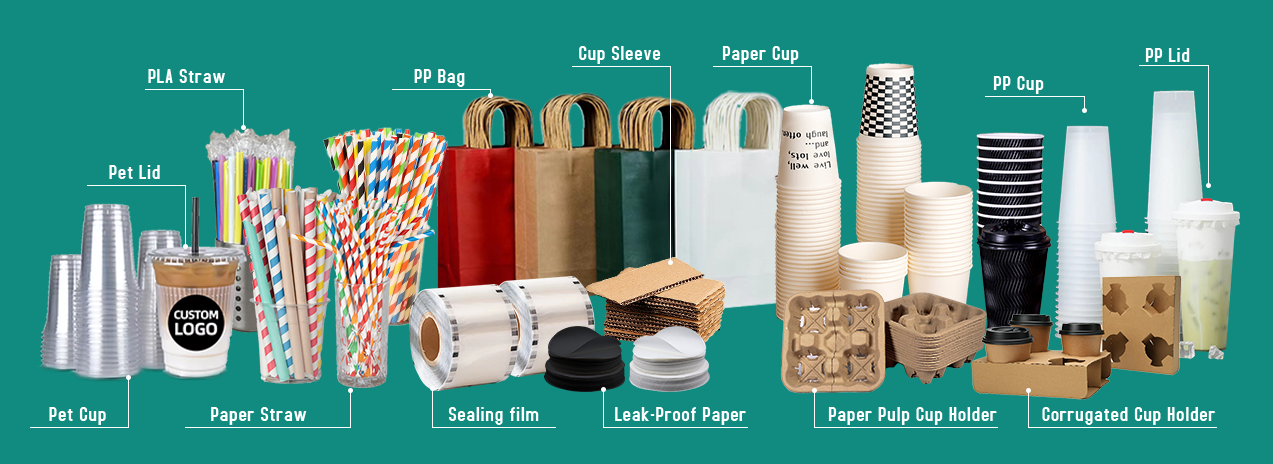
From straws to cup accessories — every component in your fast food delivery packaging ecosystem.
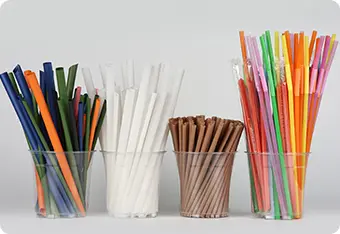
High-clarity PP straws engineered for leak-proof cup and lid systems. Available in standard and wide-bore formats for all beverage types.
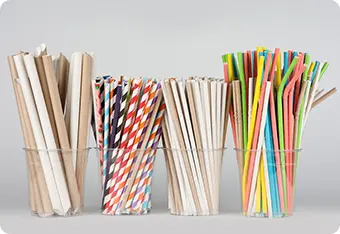
FSC-certified paper straws offering a sustainable alternative for eco-conscious QSRs and delivery brands in regulated markets.
Insulated double-wall paper cups for hot beverage delivery — custom print exterior, PE-lined interior for leak resistance.
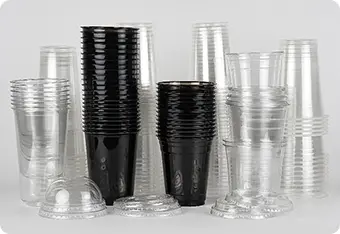
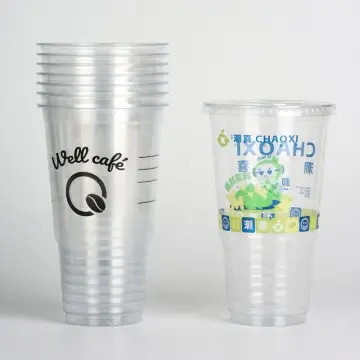
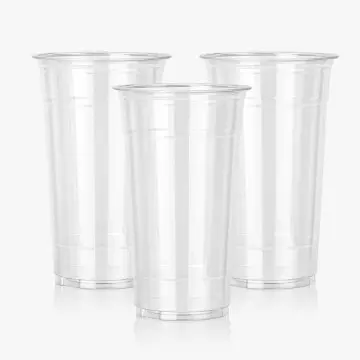
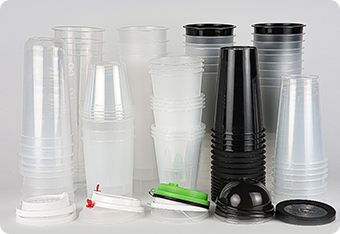
Crystal-clear PET cups maximising product visibility for cold beverages and fresh drinks. Superior seal compatibility for delivery operations.
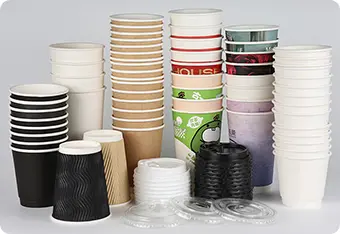
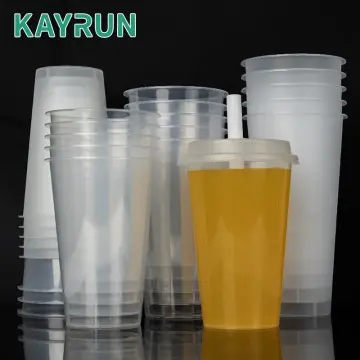
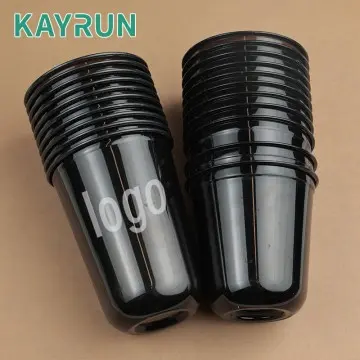
Food-grade injection PP cups with superior thermal range (−20°C to 100°C). The workhorse format for high-volume QSR and ghost kitchen delivery operations.
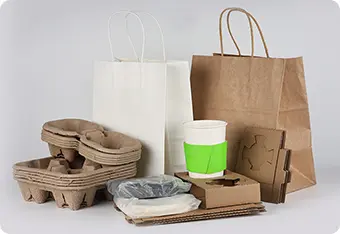
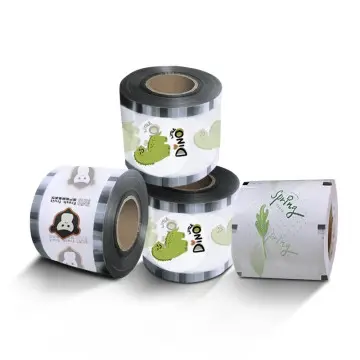
Lids, sealing films, carriers, and bag sets — complete the delivery packaging system with precision-matched accessories from the same manufacturer.
Trusted by fast food delivery brands across 110+ countries since 2012.
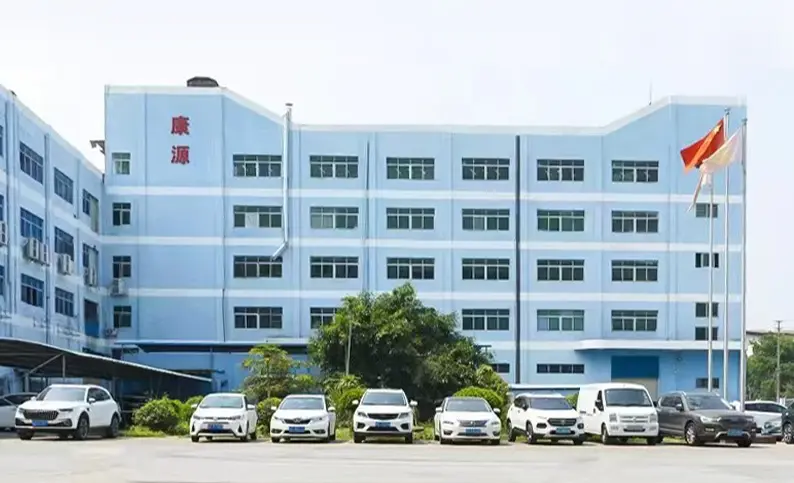

ADDRESS: No. 70, Tingshan Road, Houjie Town, Dongguan City, Guangdong Province, China
Dongguan KayRun New Materials Co., Ltd., located in Dongguan, the famed "world's factory", is a comprehensive and professional enterprise. We are dedicated to the research, development, production, and processing of a diverse range of environmentally friendly products, including but not limited to paper straws, PLA straws, paper cups, injection cups, blister cups, paper bags, thermal bags, and cup lids. Our company offers a convenient and efficient one-stop procurement service for the entire series of products required by beverage stores.
With 13+ years of export experience, our products serve fast food delivery operators, bubble tea chains, ghost kitchens, and institutional catering organisations across 110+ countries. Every cup we manufacture is traceable, certified, and built to perform under the rigorous demands of modern food delivery logistics.
 +86 135 2793 2944
Six pillars of our commitment to fast food delivery packaging clients worldwide.

High quality supply chain, to ensure low raw material cost and high quality

Raw materials comply with various food safety certifications and the finished product conforms to the food safety certification SGS, ISO9001, LFGB etc.

Management team have many years experience in the joint venture, who can strictly control the production process and quality, to ensure efficient high-quality. And our 5000+ production equipment, to ensure the delivery on time.
Cooperate with well-known international integrated logistics service providers, such as FedEx, DHL, Maersk, MSC, CMA, COSCO, etc., to ensure delivery on time.

All goods damaged during transportation will be reissued free of charge.

Self-produced and sold, not a middleman, 20,000 square meters of factory buildings, 150+ equipment, 110 employees.
Tailored disposable plastic cup solutions to cut costs and power your fast food delivery business.






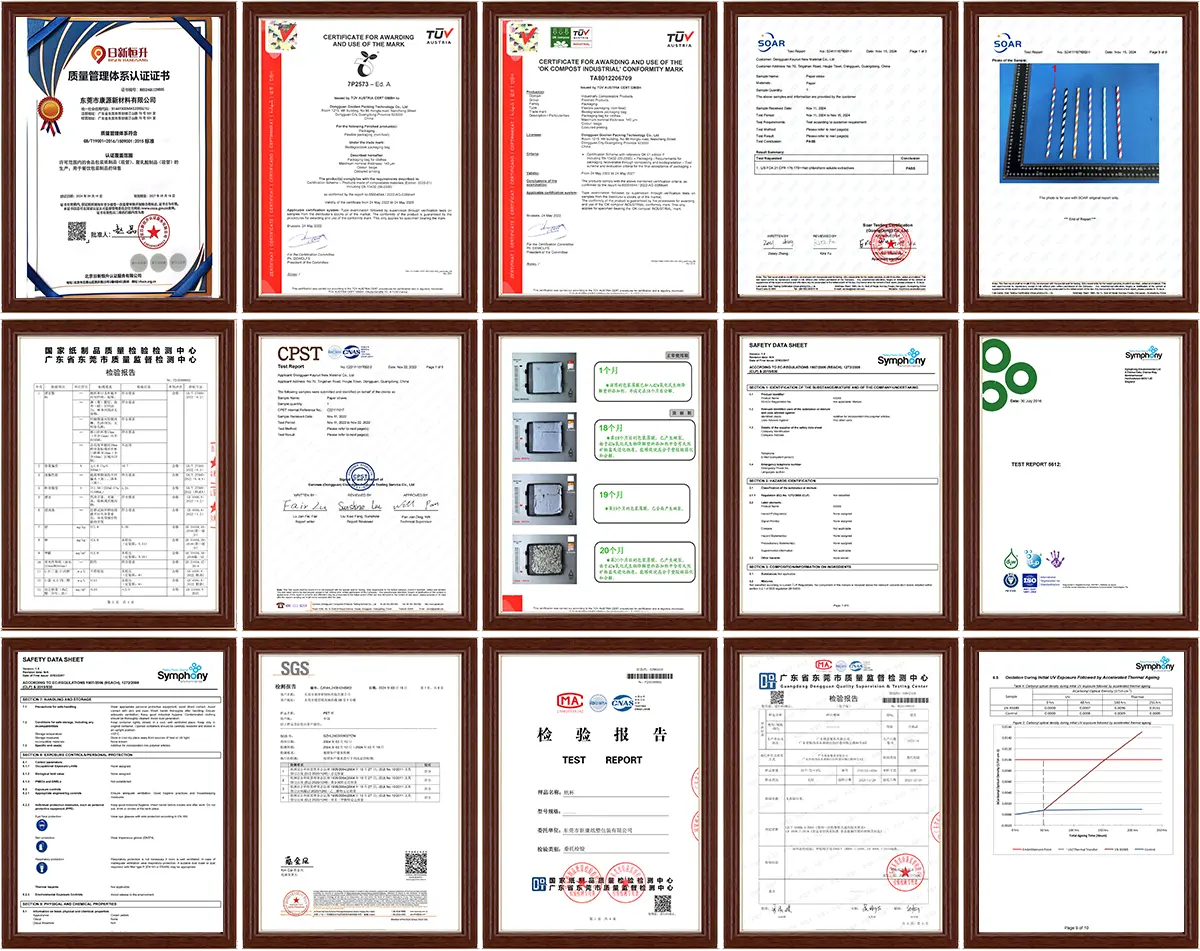
We hold ISO9001 / TÜV / FDA / LFGB / FSC certification and inspection reports — ensuring every disposable plastic cup is fully compliant for fast food delivery operations in all major global markets.
Eight delivery-ready cup and packaging solutions — engineered for performance, built for branding.