Order Free Samples
Leave Your Message
High-performance drinking straws engineered for the fast food delivery ecosystem — leak-resistant, food-safe, and fully customisable at scale.
Global demand for reliable, food-safe drinking straws continues to accelerate as fast food delivery grows into a multi-trillion-dollar ecosystem.
Polypropylene (PP) plastic straws occupy a unique position in the fast food delivery value chain. As third-party delivery platforms such as DoorDash, Uber Eats, Meituan, and Grab have scaled to hundreds of millions of active orders per month, the straw has evolved from a simple dining accessory into a mission-critical packaging component. Every sealed cup dispatched from a cloud kitchen, quick-service restaurant (QSR), or bubble tea shop must arrive with a straw that is hygienic, structurally intact, and brand-consistent.
PP as a polymer checks all the boxes: it is food-grade safe (FDA, LFGB, and SGS compliant), thermally stable across the temperature swings that occur during transit, chemically inert with acidic juices and carbonated beverages, and lightweight enough not to add meaningful cost to last-mile delivery economics. Its semi-crystalline molecular structure gives PP straws superior kink resistance compared to paper alternatives — a property that proves decisive during the 30–60 minute window between kitchen sealing and consumer hands.
Industry research shows that over 78% of fast food delivery consumers rate a functional, easy-to-use straw as a direct factor in overall order satisfaction. A poor straw experience is the #1 packaging-related complaint on major delivery platforms.
Major quick-service restaurant chains have historically sourced straws through regional distributors, accepting long lead times in exchange for volume discounts. The post-pandemic delivery surge — which permanently elevated off-premise dining from roughly 20% to over 40% of QSR revenues — forced operators to rethink their straw supply chains entirely. Volume spikes during peak delivery hours, seasonal promotional drinks, and limited-time offerings (LTOs) demand a supplier that can respond in days rather than weeks.
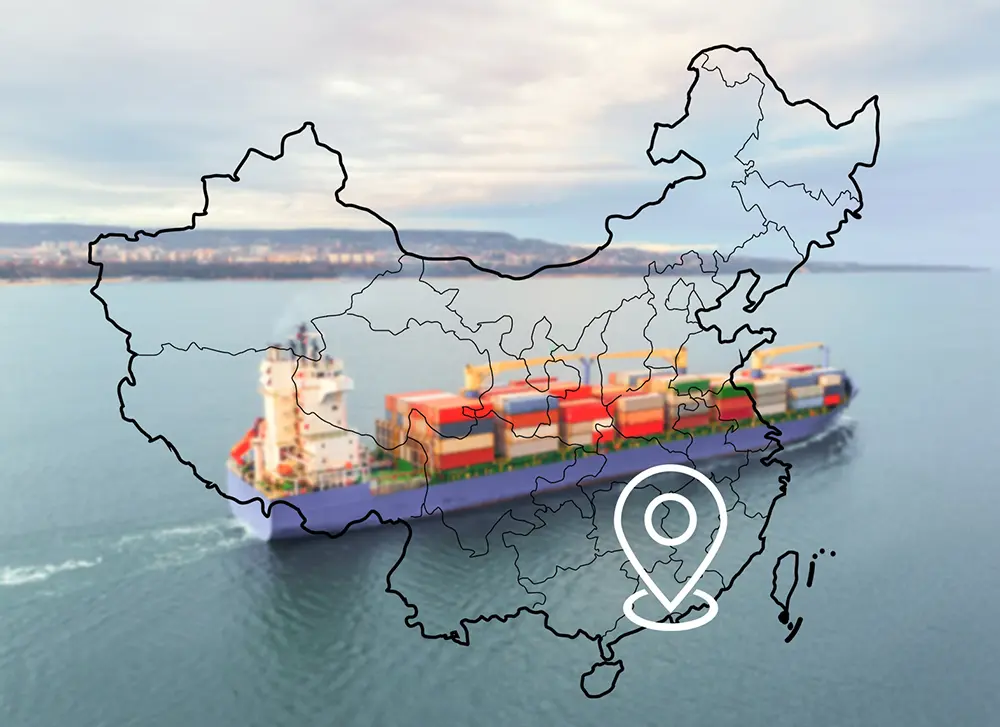
Direct-from-factory procurement models have consequently gained significant traction. Factories located adjacent to major export hubs — such as Shenzhen, the world's electronics-and-manufacturing gateway — can consolidate straw and cup orders, clear customs on the same day of shipment, and deliver to US, EU, or Australian distribution centers within 7–14 days. This compresses the traditional 45-day procurement cycle to under three weeks for most markets.
Cloud kitchens — delivery-only restaurant facilities operating multiple virtual brands from a single cooking space — have emerged as the fastest-growing segment of the food-service industry. Analysts estimate more than 100,000 cloud kitchen units are now operating globally, with particular density in Southeast Asia, the Middle East, and North America. These operators share a defining characteristic: they purchase straws purely for delivery use, not dine-in, which means they prioritise hygienic individual wrapping, stacking efficiency, and brand printability above all else.
PP plastic straws with individual hygienic wrapping have become the standard specification for cloud kitchen procurement. The wrapping — typically a paper sleeve printed with the brand logo — serves a dual function: it guarantees hygiene during transit and acts as a brand touchpoint the moment the consumer tears it open.
The global regulatory landscape for single-use plastics continues to evolve rapidly. The EU Single-Use Plastics Directive and similar legislation in the UK, Canada, and parts of Southeast Asia have driven significant consumer and regulatory scrutiny toward plastic straws. However, PP straws have demonstrated remarkable resilience in the fast food delivery channel for several structural reasons:
The dominant fast food delivery format pairs a heat-sealed PET or PP cup with an individually wrapped straw taped or attached to the exterior of the cup sleeve. The straw must be long enough to reach the bottom of the cup through the seal hole, rigid enough not to collapse under the consumer's sipping force, and flexible (where a bend joint is specified) to accommodate the ergonomics of drinking from a delivery bag. Diameter specifications typically range from 6mm for standard beverages to 12mm for thick bubble tea pearls or fruit-tea chunks.
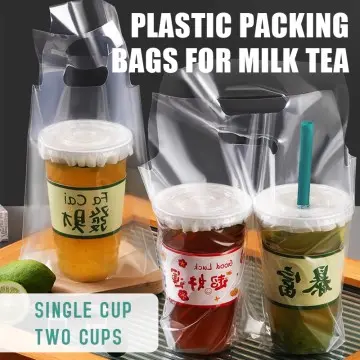
Aggregated orders from QSR chains often include multiple sealed cups. Straw packaging in this context must be compact and stacking-efficient: individually wrapped straws that can be pre-packed in bundles of 10, 50, or 100 per poly bag, nested into delivery bags without adding bulk or piercing other packaging. Thickened plastic bag formats — one of our top-selling SKUs — are specifically engineered for this multi-item bulk insert scenario.
Fast food brands increasingly use the straw wrapper as a low-cost, high-visibility branding surface. HD flexographic printing allows full-color logos, seasonal campaign graphics, QR codes linking to loyalty apps, and nutritional messaging to be reproduced with sub-millimetre precision on straw wrappers as narrow as 6mm. Campaigns tied to sports events, holiday promotions, or new menu launches can be turned around in as few as 7–10 working days with modern digital pre-press workflows.
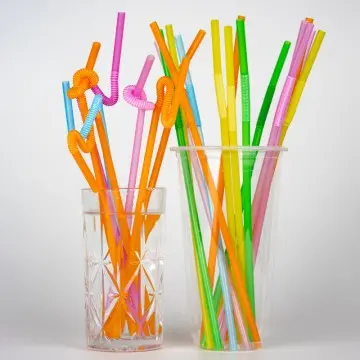
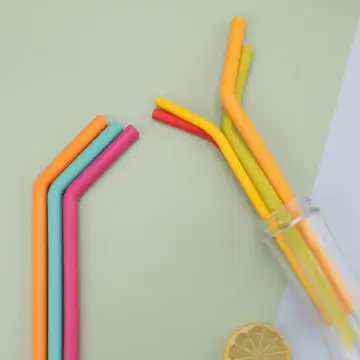
The premiumisation of the fast-casual and delivery drink segment — driven by specialty coffee, Korean-style boba, Japanese fruit teas, and Mexican-inspired agua fresca brands — has created demand for artistic or differentiated PP straws. Bent-angle straws, spiral-print straws, metallic-finish wrappers, and pastel-colored PP formulations enable small-batch specialty brands to deliver a premium unboxing moment even within the constraints of a delivery container.
Hospital cafeterias, airport food courts, stadium concessions, and airline catering operations represent a large and often underappreciated delivery-adjacent market for PP straws. These environments demand stringent hygiene certification, individual wrapping as a non-negotiable specification, and robust structural performance in pressurised cabin environments or temperature-controlled institutional kitchens.
The convergence of packaging and digital technology is beginning to influence straw design. QR codes and NFC-enabled straw wrappers are being piloted by major QSR chains to enable direct consumer engagement — linking to loyalty reward programs, allergen information, or sustainability impact dashboards. PP straw wrappers provide an ideal substrate for these micro-printed or laminated digital elements due to their smooth, consistent surface finish.
Next-generation straw extrusion and wrapping lines now operate at speeds exceeding 1,200 straws per minute with integrated vision-based quality inspection systems. Machine-vision AI detects dimensional defects, print misregistration, and seal integrity failures in real time — achieving defect rates below 0.03%. This level of quality assurance is essential for global QSR brands whose supply contracts include strict product non-conformance penalty clauses.
Research into bio-based PP — polypropylene synthesised from sugarcane or corn feedstocks rather than petroleum — is advancing rapidly, with commercial-scale production expected to reach cost-parity with fossil-based PP by 2027–2028. Bio-based PP retains full mechanical and food-safety performance while reducing the product's carbon footprint by up to 45%, addressing the core sustainability critique of conventional PP straws without sacrificing the functional properties that make them indispensable in delivery operations.
Six macro-forces reshaping the PP straw landscape in the fast food delivery sector.
The global food delivery market surpassed $1.5 trillion in GMV in 2024. Every sealed delivery drink requires a compliant, hygienic straw — creating exponential straw volume growth in tandem with platform expansion.
Recycled-content PP (rPP) and bio-based PP formulations are gaining regulatory acceptance and consumer approval, enabling brands to meet ESG targets without abandoning the functional superiority of plastic straws.
HD flexographic and digital printing technologies allow fast food brands to run fully customised straw wrapper campaigns at MOQs as low as 50,000 units — accessible even to regional and emerging QSR chains.
FDA, LFGB, and China GB standards for food-contact plastics are being actively enforced at borders. Certified, documentation-ready supply chains command a significant price premium and procurement preference.
Factory proximity to major port infrastructure (e.g., Shenzhen/Yantian) enables same-day customs clearance, cutting procurement lead times from 45 days to under 15 days for most global destinations.
QSR operators and cloud kitchens increasingly prefer single-source suppliers capable of delivering straws, cups, sealing films, bags, and eco-containers under one PO — radically simplifying supplier management overhead.
Our PP straws for fast food delivery are engineered to perform flawlessly across the full spectrum of modern beverage formats.
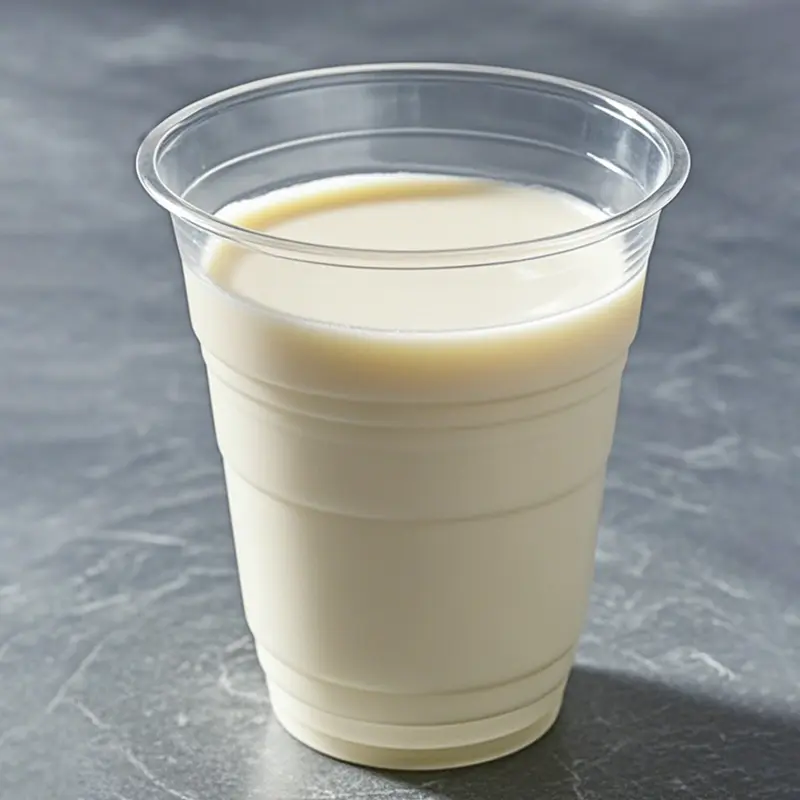

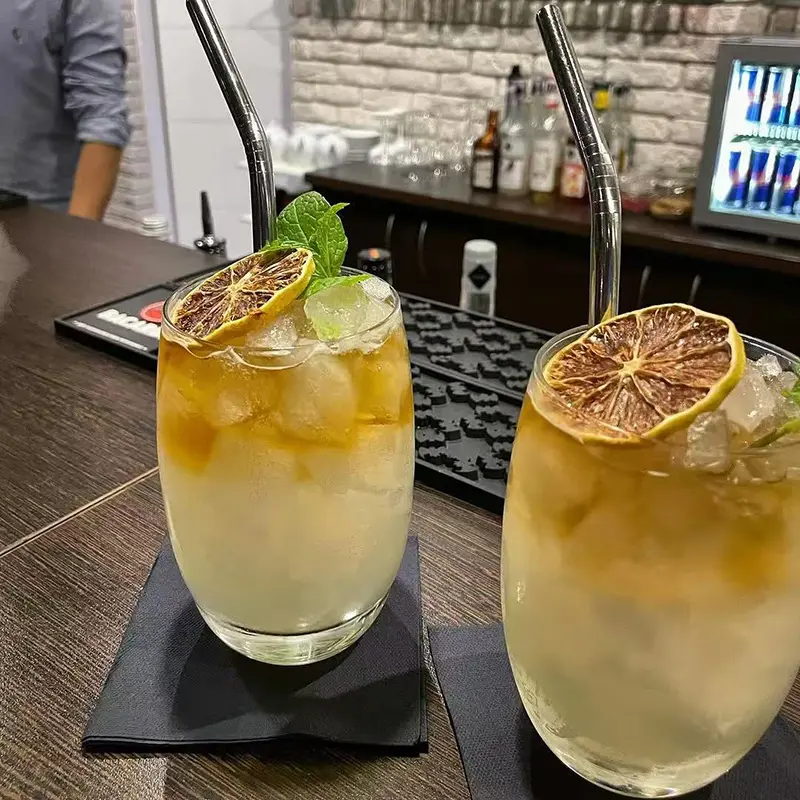
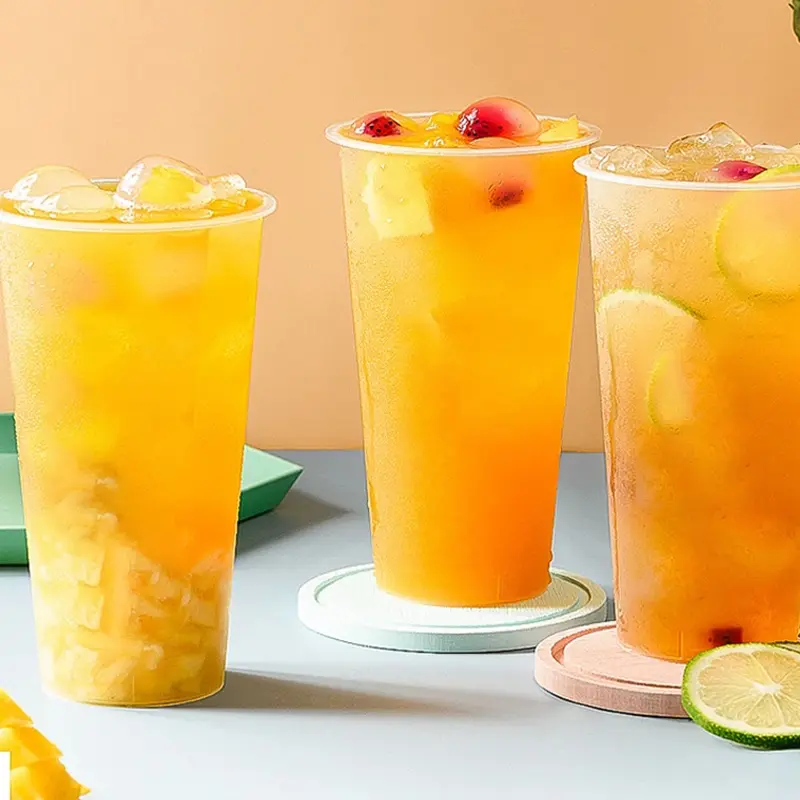
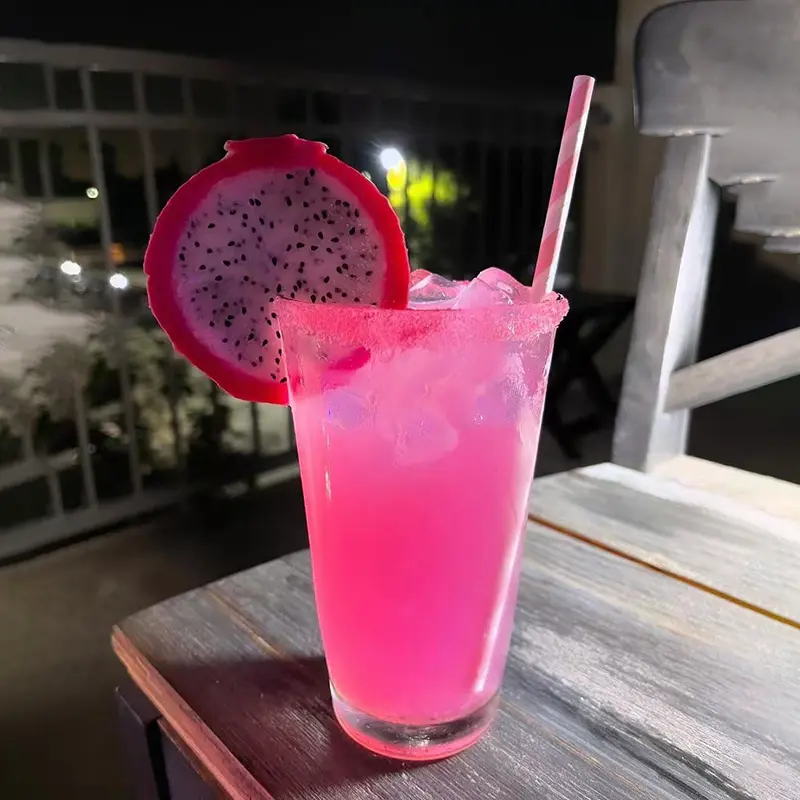
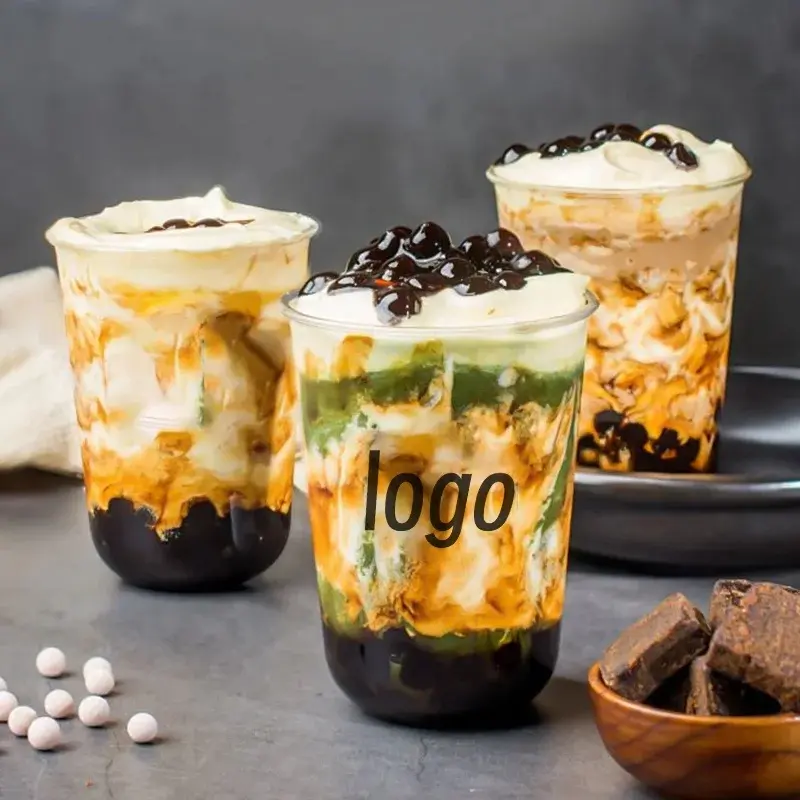
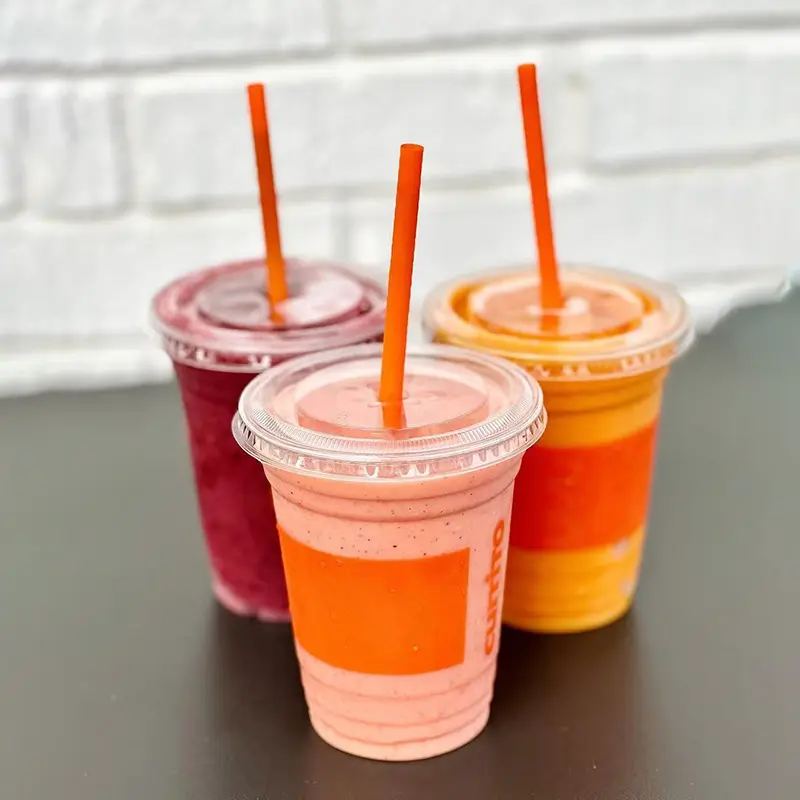
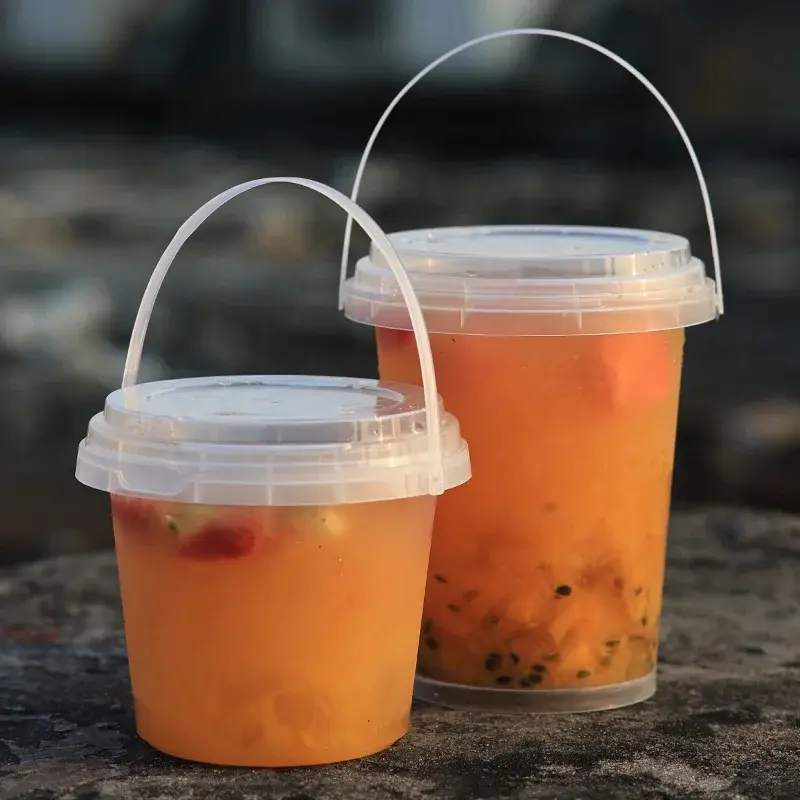
From independent cafés to global QSR chains — our PP straws adapt to every fast food delivery use case.


Five core advantages only accessible to authentic raw material factories — outmatching general trading companies.
Food-grade PP, PET, or compostable PLA. All products meet FDA/LFGB/SGS standards, fully compliant for global distribution. We provide complete certification documents, customs clearance support, and multi-language packaging for international distributors.
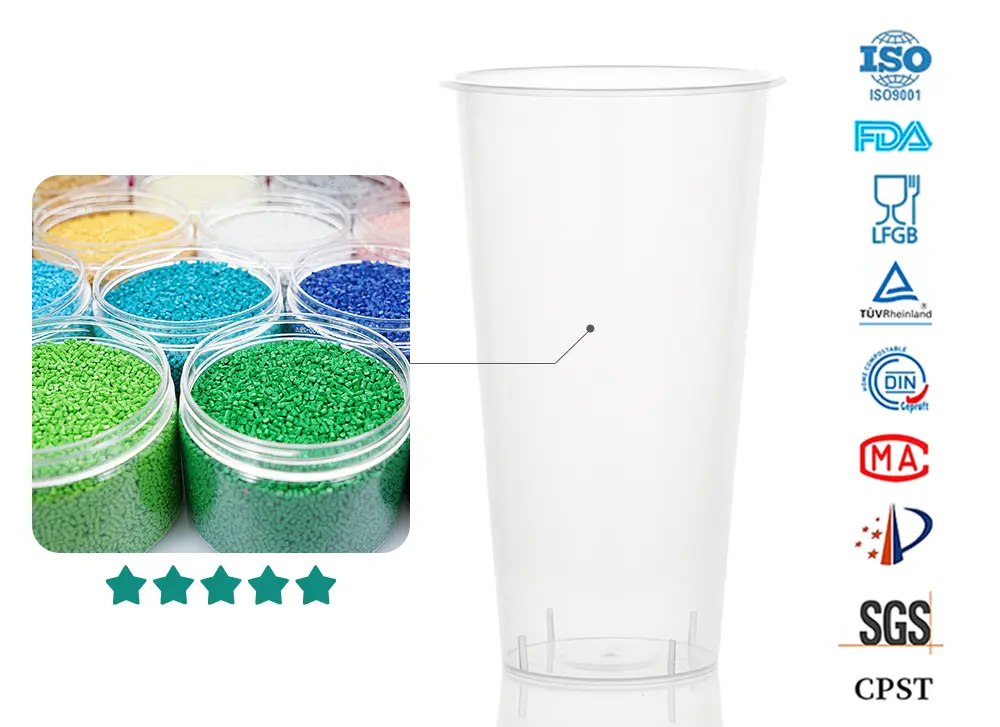
Direct factory supply (no middlemen) for competitive wholesale prices. 20,000㎡ production base ensures stable inventory for small retail orders and large distributor bulk purchases. MOQ as low as 1,000 units for cafes/restaurants; flexible pricing for high-volume distributors. Fast turnaround: 3–5 business days for rush orders.

HD printing & multiple techniques including flexographic and water-based ink printing. Our professional design team optimises your artwork for standout delivery branding. Customisable sizes, colors, and packaging to meet distributors' diverse order needs.
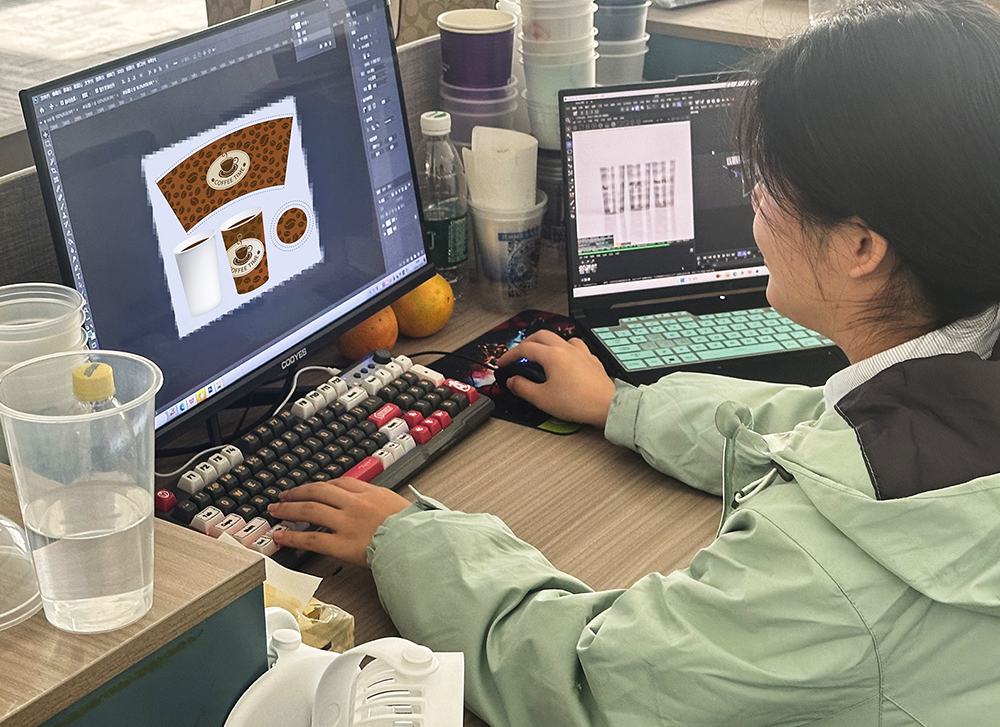
Adjacent to Shenzhen. Orders ship and clear customs the same day, saving time and logistics costs for time-sensitive fast food delivery clients. Ideal for QSR chains and cloud kitchens managing tight seasonal inventory cycles.
Our product range covers disposable plastic cups, PP straws, sealing films, cup holders, sleeves, bags, paper cups/bowls, eco-friendly food containers, and tableware. Customisation available for all categories — saving fast food delivery operators and cloud kitchen managers valuable time on multi-supplier sourcing. One PO, one shipment, one trusted partner.
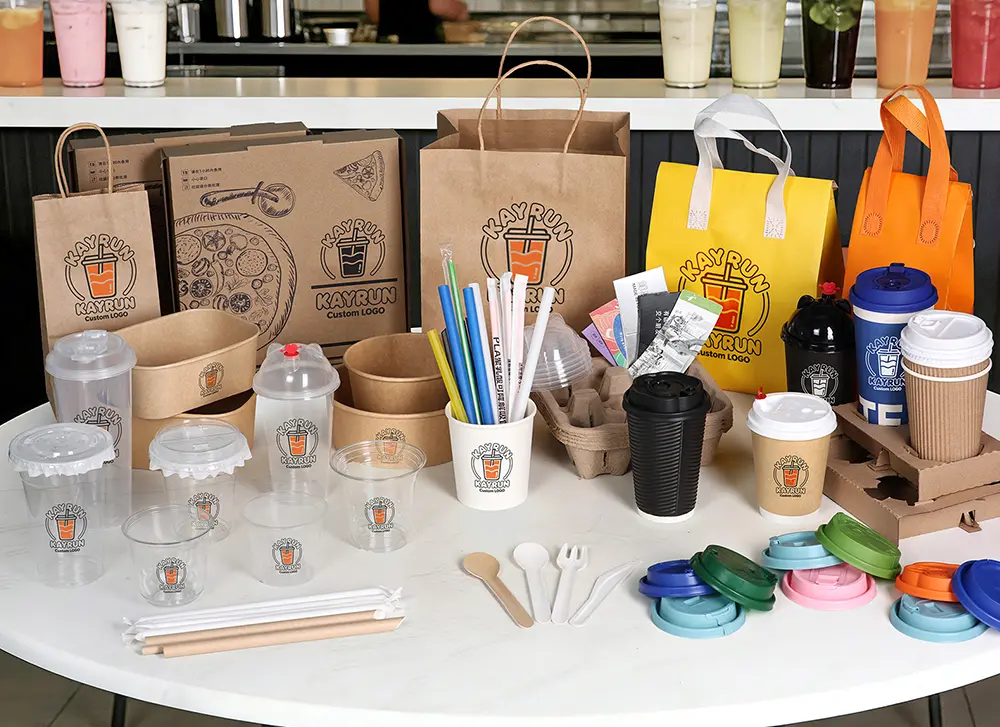
We possess advanced flexographic printing and water-based ink printing technologies, ensuring that our products meet environmental standards while maintaining the clarity of your logos and patterns.


Years of service experience enable us to better cater to customers across various fast food delivery scenarios.





Explore our complete range of fast food delivery accessories — cups, straws, and packaging, all customisable with your brand.